Submit Your Panel, Session or Roundtable Proposal

SUBMISSION DEADLINE:
September 11, 2026

Time left to submit

Days
Hours
Minutes
Seconds
Download the Call for panel sessions and round table

A welcome from
the Chief Convener

The Africa Regional Conference on Parliament and Legislation (AFRIPAL) is the flagship event of AFRIPAL Convening, providing a premium space for strategic thought and deliberation on parliament and legislation issues in Africa and globally.

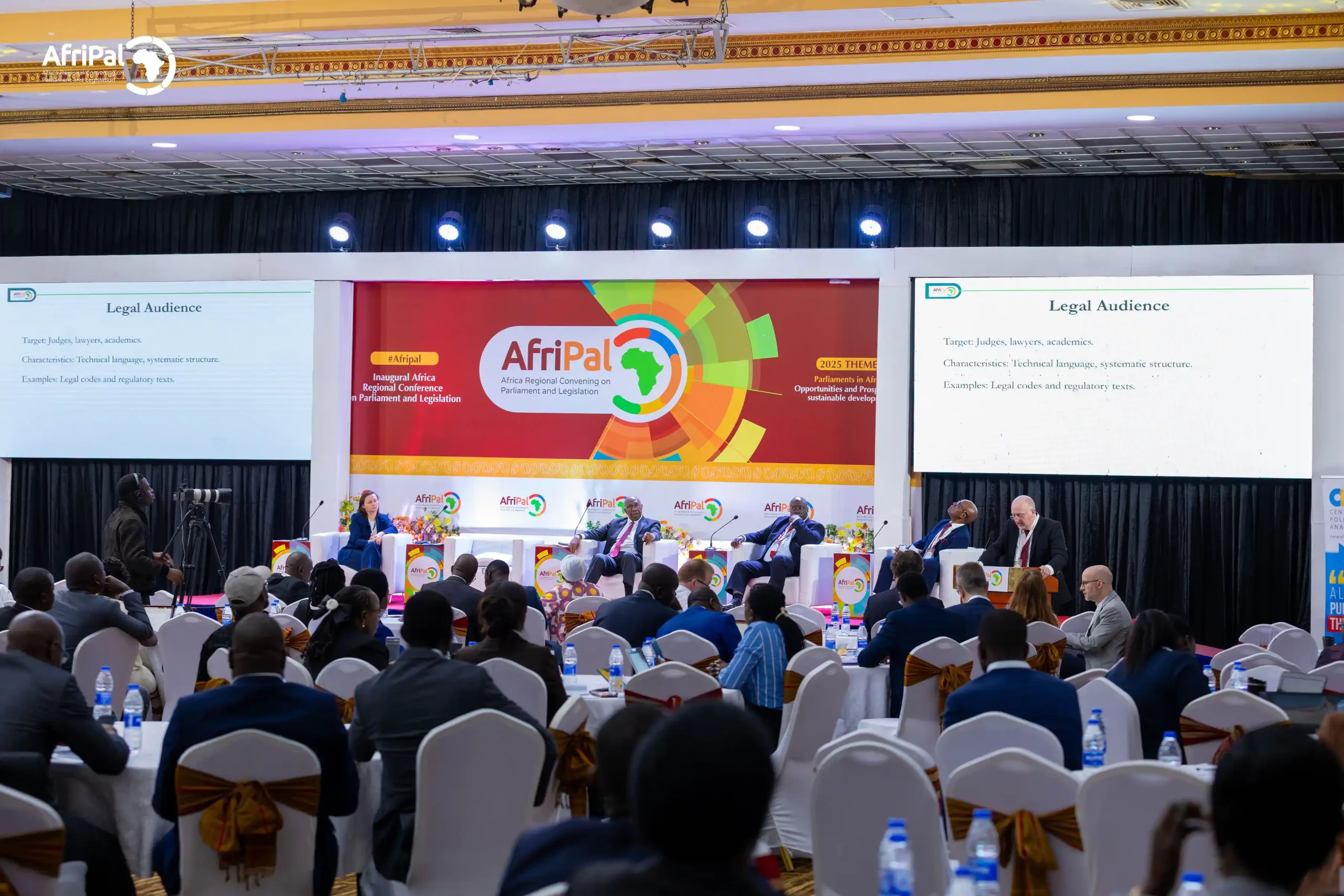
In 2025, for the inaugural conference, AFRIPAL was in Uganda. This time, we are excited to welcome you to Gaborone, Botswana, for AFRIPAL 2027.

Message from

Hannah Muzee, PhD

AFRIPAL Chief Convener
AFRIPAL Convening
Together with the Botswana Institute for Development Policy Analysis (BIDPA), we look forward to welcoming you to Gaborone, Botswana, in July 2027.

A welcome from the Chairperson, Organising Committee

The Botswana Institute for Development Policy Analysis (BIDPA), in partnership with the Africa Regional Convening on Parliament and Legislation (AFRIPAL), is pleased to announce the upcoming AFRIPAL 2027 Conference, to be held in Gaborone, Botswana, in July 2027.

Message from

Keneilwe P. Marata, PhD

Research Fellow and Chair of AFRIPAL 2027 Organising Committee
Botswana Institute for Development Policy Analysis.

Rea Le Amogela. Welcome to Gaborone.

African Parliaments
in the digital age

The digital age has permeated nearly all facets of life, and government and legislative institutions are no exception. Parliaments across Africa are increasingly embracing digitalisation a transition that is inevitable.

AFRIPAL 2027 invites scholars and policy actors to reflect on parliamentary democracy in the digital era, frameworks of representation and accountability, and the possibilities of networked governance across the continent.

Sub Themes

What to expect at AFRIPAL 2027

Keynote presentation

Keynote Presentations and Plenaries

These include speeches delivered by prominent academic, policy, parliamentary, or legislative experts. These sessions set the tone for the conference and frame the core themes and sub-themes.

Breakaway session 2

Breakaway Sessions

These sessions provide a detailed exploration of the conference themes, allowing delegates to attend presentations aligned with their specific interests. This is also the platform for delegates to present their submitted papers. Selected papers will be published in the Annual issue of African Parliamentary Studies in the International Journal of Parliamentary Studies, or in the African Parliamentary and Legislative Studies book series.

Workshop Image

Workshops

These sessions are designed to equip delegates with practical skills related to the conference theme, covering topics such as policy writing, the use of specialized AI bots and software, and any other skills tailored for parliamentary staff and legislators.

Roundtable image

Roundtables

Organized by partner organizations, these sessions focus on key topical issues related to the overarching conference theme.


Keynote Presentations and Plenaries

These include speeches delivered by prominent academic, policy, parliamentary, or legislative experts. These sessions set the tone for the conference and frame the core themes and sub-themes.

Breakaway Sessions

These sessions provide a detailed exploration of the conference themes, allowing delegates to attend presentations aligned with their specific interests. This is also the platform for delegates to present their submitted papers. Selected papers will be published in the Annual issue of African Parliamentary Studies in the International Journal of Parliamentary Studies, or in the African Parliamentary and Legislative Studies book series.

Workshops

These sessions are designed to equip delegates with practical skills related to the conference theme, covering topics such as policy writing, the use of specialized AI bots and software, and any other skills tailored for parliamentary staff and legislators.

Roundtables

Organized by partner organizations, these sessions focus on key topical issues related to the overarching conference theme. 

Key Dates

June 1, 2026

Call for panel/session/roundtable abstracts, arts, and media proposals

September 11, 2026
September 25, 2026

Acceptance of panel/session/roundtable proposals

October 16, 2026
January 22, 2027

Submission deadline for papers

February 26, 2027
April 1, 2027

Submission of full conference papers and workshop schedules

April 30, 2027
June 11, 2027

Standard conference registration deadline

July 22–23, 2027
June 1, 2026
September 11, 2026

Submission deadline for panel/session/roundtable abstracts, arts, and media proposals

September 25, 2026
October 16, 2026

Call for papers

January 22, 2027
February 26, 2027

Acceptance of papers

April 1, 2027
April 30, 2027

Early bird registration deadline

June 11, 2027
July 22–23, 2027

Conference dates

Who we are

AFRIPAL Convening provides a platform for strategic dialogue on parliamentary democracy and legislative affairs across the African Continent. It serves as a forum to promote high-quality research, knowledge exchange, and collaboration among legislators, civil society actors, academics, and policy experts on innovative legislative practices, both within Africa and globally.

Who we are

AFRIPAL Convening provides a platform for strategic dialogue on parliamentary democracy and legislative affairs across the African Continent. It serves as a forum to promote high-quality research, knowledge exchange, and collaboration among legislators, civil society actors, academics, and policy experts on innovative legislative practices, both within Africa and globally.

Download the Program

Review the Event Schedule for AFRIPAL Conference – Day 1 & Day 2

Speakers

The speaker lineup for this conference features a diverse array of roles, including Keynote Speakers, Session Chairs, Mentors, Discussants, and Plenary Panel Chairs:

Professor Mauro Zamboni
Opening Keynote
Keynotes
Frankline De Vrieze
Frankline De Vrieze
Conference Keynote
Keynotes
Dr. Robert Ojambo
Dr. Robert Ojambo
Conference Keynote
Keynotes
Christopher Changwe Nshimbi 1
Christopher Changwe Nshimbi
Parliaments Corruption and public accountability in Africa
Session Chairs
Marci Harris
Marci Harris
Harnessing AI and 4IR Technologies for Legislative Efficiency in African Parliaments
Session Chairs
Omololu Fagbadebo
Omololu Fagbadebo
African Parliaments, Accountability and Sustainable Development
Session Chairs
Gustavo Muller, KU Leuven
Gustavo Muller
Transnational Parliaments and Parliamentary Diplomacy: what role for democracy and sustainable development promotion?
Session Chairs
Xavier Philippe
Xavier Philippe
Perception of Parliament and Legislation in Africa - I
Session Chairs
Lucja Duraj
Lucja Duraj
Enhancing capacity of Women MPs to perform their responsibilities
Session Chairs
Christopher Changwe Nshimbi 1
Christopher Changwe Nshimbi
National and Transnational Parliaments: what role for regional and continental migration legislation?
Session Chairs
Rokhaya Cisse
Rokhaya Cisse
Perception of Parliament and Legislation in Africa - II
Session Chairs
Matringe Jean- niversité Paris 1 Panthéon Sorbonne
Matringe Jean
Parliaments Corruption and public accountability in Africa
Discussants
Sombo Muzataa, James Madison
Sombo Muzata
Harnessing AI and 4IR Technologies for Legislative Efficiency in African Parliaments
Discussants
Michael-Olomu, Oyintonyo
African Parliaments, Accountability and Sustainable Development- I
Discussants
Christopher Changwe Nshimbi 1
Christopher Chagwe Nshimbi
Transnational Parliaments and Parliamentary Diplomacy: what role for democracy and sustainable development promotion?
Discussants
Odair Barros-Varela, Cape Verde University
Odair Barros-Varela
Perception of Parliament and Legislation in Africa - I
Discussants
Zdislaw Mach, Krakow University
Zdislaw Mach
Enhancing capacity of Women MPs to perform their responsibilities
Discussants
Elizabeth Nansubuga
Elizabeth Nansubuga
Shaping the Future: Advancing Policies and Legislation for Adolescent Mothers Empowerment Across Africa
Discussants
Gustavo Muller, KU Leuven
Gustavo Muller
Parliaments Corruption and public accountability in Africa 2
Discussants
Mziwandile Ndlovu
Mziwandile Ndlovu
Perception of Parliament and Legislation in Africa-II
Discussants
Matringe Jean- niversité Paris 1 Panthéon Sorbonne
Matringe Jean
National and Transnational Parliaments what role for regional and continental migration legislation?
Discussants
Stephen Imrie
Stephen Imrie
Post-Lesglative Scrutiny
Plenary Panel Chairs
Alex Jiya
Alex Jiya
Ideals of Parliament
Plenary Panel Chairs
Igwe Uche
Igwe Uche
Strengthening Parliamentary Functions in Emergencies: Lessons from Recent Crises
Plenary Panel Chairs

News and Updates

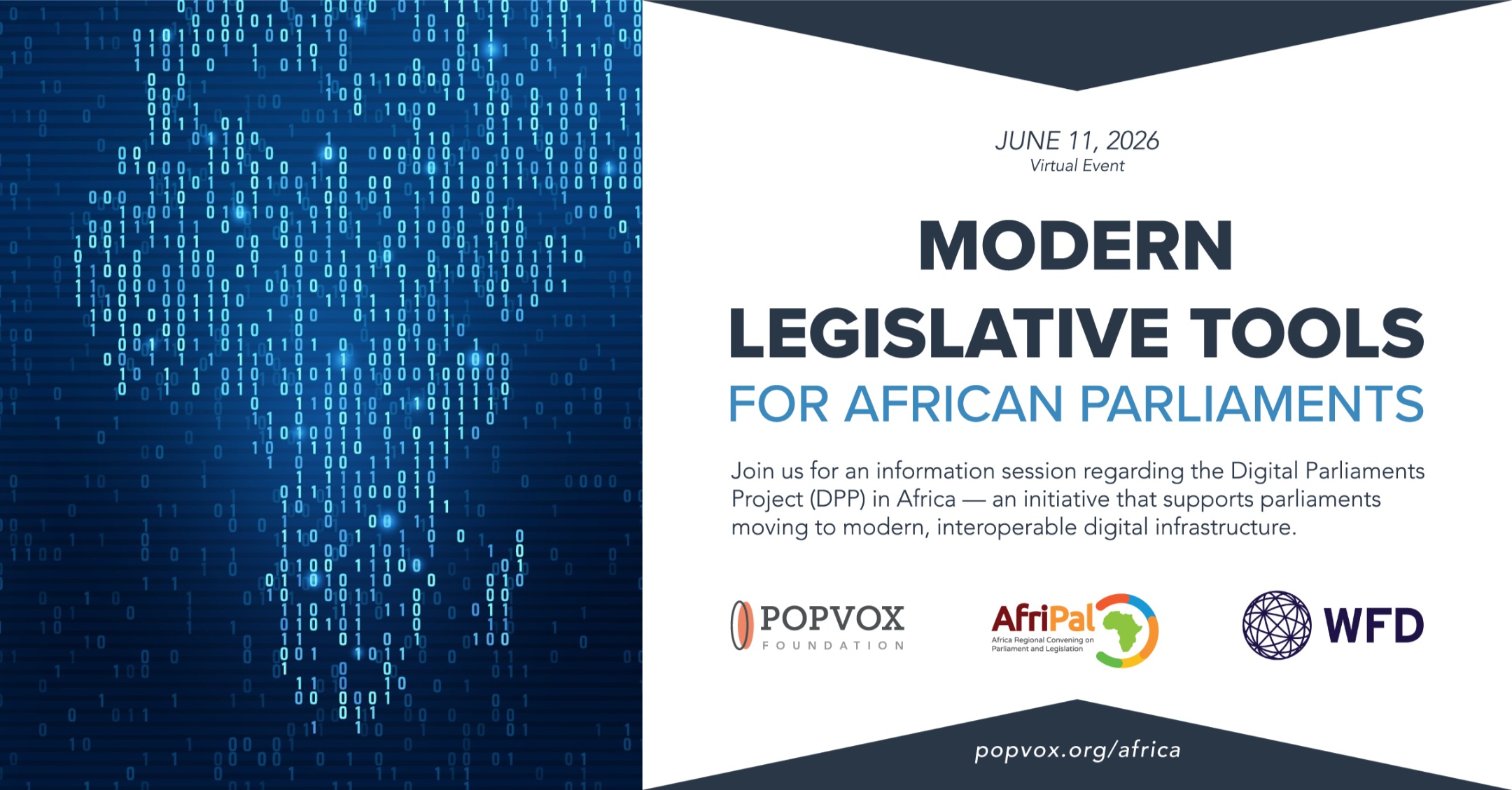
Modern Legislative Tools for African Parliaments: What are they, and Why they are important
Access Information and Registration Below

2027 Conference Theme

African Parliaments in the digital age

Reimagining possibilities for better performance and networked governance.

The digital age has permeated nearly all facets of life, and government and legislative institutions are no exception. While this transformation is more advanced in some regions, parliaments across Africa are increasingly embracing digitalisation, albeit at a gradual pace. This transition is inevitable.

In the digital era, the parliamentary functions of legislation, representation, and oversight will inevitably take on new meaning. The proliferation of digital technology and the internet has positioned digital spaces almost as constituencies with their own dynamics that require deeper study. For instance, the use of social media and its ability to enhance public engagement may require a rethinking of traditional modes of representation.

While digital technologies create opportunities for inclusiveness, they also present challenges of exclusion, with the possibility of further entrenching established political power structures to the point of oppression and curtailment of freedoms. Questions surrounding vulnerable populations,therefore, remain pertinent. With already entrenched historical disadvantages, how can women, youth, and persons with disabilities effectively participate in the digital age and utilisetechnology to engage in parliamentary and legislative processes?

This also brings to the fore the issue of accountability. Most African Parliaments rank lowly in putting legislative information out into the public domain and facilitating broad-based access to legislative processes. While part of the reason is attributable to low political will and censorship, another reason is inadequate use of automation and technological applications to significantly broaden citizen access to their legislatures.   The significant digital divide, evidenced by 47% of citizens who own a smartphone, let alone 35% who own a basic phone, also presents a major challenge to public engagement and reflects the continued closed nature of many parliaments. Nonetheless, the proliferation of social media and the need to harness its reach remain important areas for exploration.

The use of artificial intelligence (AI) to enhance parliamentary functions also comes with attendant challenges, particularly in Africa. These include linguistic diversity, the limited existence of laws governing AI use, and insufficient procedural and regulatory frameworks to guide AI adoption. There is also the pressing issue of digital colonialism. How can African parliaments collaborate with big tech corporations and multinationals to decentralise control of the internet and facilitate the development of AI technologies that reflect African institutions and realities?

While globalisation provides opportunities to learn from best practices, African parliaments must avoid becoming overly dependent on external service providers. Instead, they should strategically position themselves by establishing strong governance structures and exercising leadership that ensures the sustainable and ethical use of AI technologies.

Although parliaments across Africa have leveraged digital tools to improve parliamentary functions such as document management, voting, and record-keeping, a key area of concern remains understanding how digital technologies are reshaping parliamentary systems and legislative structures.

AFRIPAL 2027, therefore, invites scholars and policy actors to reflect on the:

Theoretical perspectives of parliamentary democracy in the digital era;
frameworks of representation and accountability in the digital age; and
possibilities of networked governance in enhancing parliamentary practice in Africa.

AFRIPAL 2027 does not seek merely to focus on the basic practices of e-parliament, but rather to interrogate their connection with e-democracy and provide in-depth analysis and reflection on the operations of African parliaments and legislatures in the digital era.

Participants are encouraged to explore the following sub-themes, as well as other issues related to the main conference theme:

AFRIPAL 2027 · 22–23 July 2027 · Gaborone, Botswana

Welcome

A welcome from the Chairperson,
Organising Committee

[ Name to be supplied ]

Chairperson, AFRIPAL 2027 Organising Committee

The Africa Regional Conference on Parliament and Legislation (AFRIPAL) is the flagship event of AFRIPAL Convening that aims to provide a premium space for strategic thought and deliberation on parliament and legislation issues in Africa and globally.

The AFRIPAL Conference will be happening every two years across the continent, hosted by a variety of institutions that operate in the democratic governance space and have an interest in parliament and legislative affairs.

In 2025, for the inaugural conference, AFRIPAL was in Uganda, and this time, AFRIPAL is excited to welcome you to Gaborone, Botswana, for AFRIPAL 2027 under the theme: African Parliaments in the digital age: reimagining possibilities for better performance and networked governance. There is no better time than this to contemplate the role of parliaments in the digital era and how parliamentary and legislative structures have transformed as they interface with digital technologies such as Artificial Intelligence (AI).

Together with the Botswana Institute for Development Policy Analysis (BIDPA), we look forward to welcoming you to Gaborone, Botswana, in July 2027.

AFRIPAL 2027 · 22–23 July 2027 · Gaborone, Botswana

Welcome

A welcome from the Chief Convener

Hannah Muzee, PhD

AFRIPAL Chief Convener

The Africa Regional Conference on Parliament and Legislation (AFRIPAL) is the flagship event of AFRIPAL Convening that aims to provide a premium space for strategic thought and deliberation on parliament and legislation issues in Africa and globally.

The AFRIPAL Conference will be happening every two years across the continent, hosted by a variety of institutions that operate in the democratic governance space and have an interest in parliament and legislative affairs.

In 2025, for the inaugural conference, AFRIPAL was in Uganda, and this time, AFRIPAL is excited to welcome you to Gaborone, Botswana, for AFRIPAL 2027 under the theme: African Parliaments in the digital age: reimagining possibilities for better performance and networked governance. There is no better time than this to contemplate the role of parliaments in the digital era and how parliamentary and legislative structures have transformed as they interface with digital technologies such as Artificial Intelligence (AI).

Together with the Botswana Institute for Development Policy Analysis (BIDPA), we look forward to welcoming you to Gaborone, Botswana, in July 2027.

Hannah Muzee, PhD

AFRIPAL Chief Convener